A Practical Guide for Homeowners (With Costs Explained)
Air source heat pumps are becoming increasingly popular with UK homeowners who are considering alternatives to traditional heating systems. They can offer lower-carbon, future-proof heating — but they are not a direct drop-in replacement for a boiler.
Whether a heat pump works well depends largely on how prepared your home is. This guide explains how to tell if your home is ready for an air source heat pump, what upgrades may be needed, and how the costs compare in the UK.
Insulation: The Foundation of Heat Pump Performance

Insulation is the single most important factor when it comes to heat pumps.
Unlike gas boilers, heat pumps provide steady, low-temperature heat. If your home loses heat quickly, the system will need to run more often, increasing electricity use and reducing comfort.
Key insulation areas include:
- Loft insulation
- Cavity or solid wall insulation (where appropriate)
- Basic draught-proofing
For many UK homes — especially those built before the 1990s — improving insulation is often the best first step before considering a heat pump.
Air-tightness: Keeping Heat Inside the Home
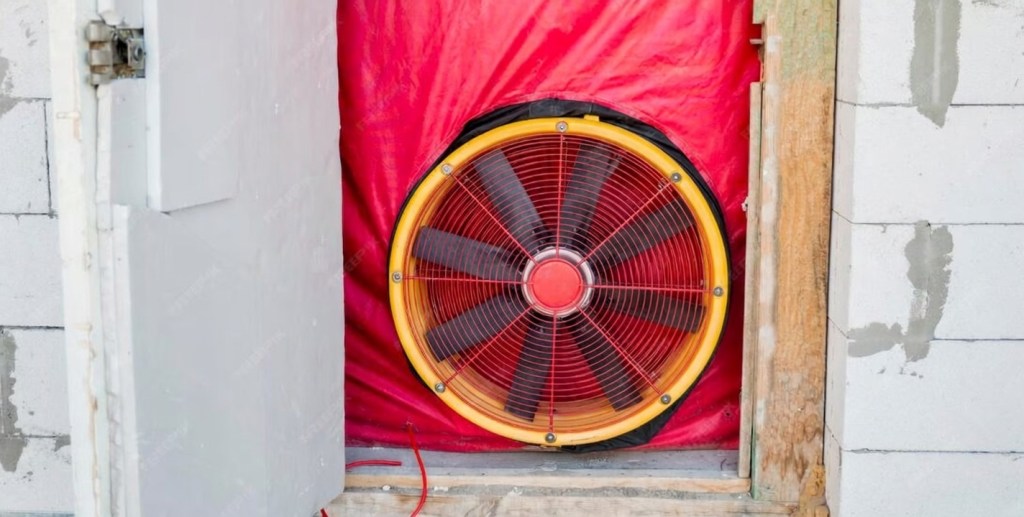
Alongside insulation, air-tightness plays a major role in how efficiently a heat pump operates.
Even well-insulated homes can lose heat through uncontrolled air leaks. Heat pumps perform best when warm air stays inside the property for longer.
Common problem areas include:
- Gaps around doors and windows
- Loft hatches and floorboards
- Pipework and service penetrations
Improving air-tightness doesn’t mean sealing a home completely. It means controlling where air enters and exits, rather than letting heat escape through random gaps.
In some cases, an air-tightness (blower door) test can help identify where improvements will have the biggest impact. As homes become more airtight, suitable ventilation is important to maintain good indoor air quality.
Radiators and Heat Distribution

Heat pumps usually operate at lower temperatures than gas boilers, which means some radiators may need upgrading.
This doesn’t always mean replacing every radiator, but you may need:
- Larger radiators in certain rooms
- Additional radiators
- Alternatives such as underfloor heating or fan-assisted radiators
A room-by-room heat-loss calculation is essential. This ensures the system is properly designed and avoids issues with cold rooms or high running costs later on.
Space for the Outdoor Unit
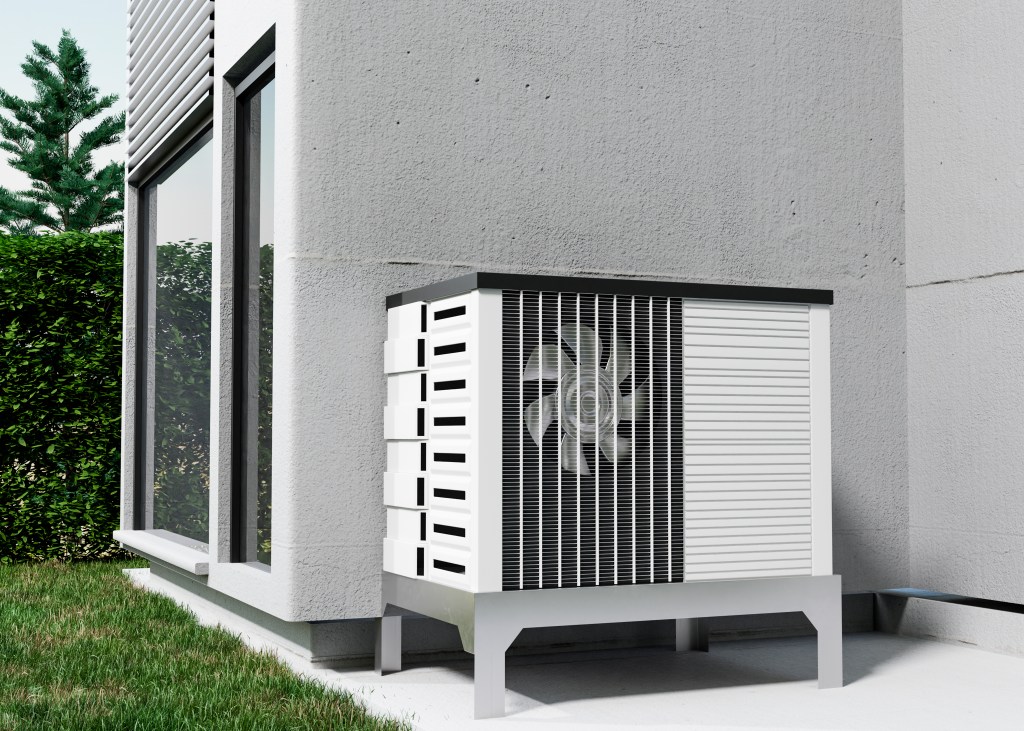
Every air source heat pump includes an outdoor unit, similar in appearance to an air-conditioning unit.
Your property will need:
- Enough outdoor space with good airflow
- Sensible positioning to minimise noise impact
- Compliance with permitted development rules (in most cases)
Most UK homes can accommodate an outdoor unit, but placement matters for performance and neighbour considerations.
Hot Water Cylinder Requirements
Most heat pump systems require a hot water cylinder.
If your home already uses a system or regular boiler, space may already be available. Homes with combi boilers often need to plan for cylinder space, which can be one of the bigger practical changes.
Electrical Supply and Consumer Unit
Air source heat pumps run on electricity and may require electrical checks or upgrades.
This can include:
- Consumer unit upgrades
- Electrical supply capacity checks
- Dedicated circuits
Not all homes need electrical work, but it should always be assessed early in the process.
Air Source Heat Pump Costs in the UK (With Grants)
Typical installation costs
In the UK, a typical air source heat pump installation costs around £11,000–£13,000, depending on the property and required upgrades.
Boiler Upgrade Scheme (BUS)
The UK government currently offers a £7,500 grant for eligible homes in England and Wales.
Example cost after grant:
- Installation cost: £12,000
- BUS grant: –£7,500
- Estimated homeowner cost: ~£4,500
For comparison, replacing a gas boiler often costs £3,500–£4,500.
Running Costs: What Homeowners Should Expect
Running costs depend on:
- Insulation and airtightness levels
- Heat pump efficiency
- Electricity tariff choice
As a rough guide:
- A modern gas boiler may cost £700–£800 per year to run
- A well-designed heat pump may cost £900–£1,100 per year on standard tariffs
Heat pumps can become cheaper to run when paired with:
- Good insulation and airtightness
- Correctly sized radiators
- Smart or off-peak electricity tariffs
Choosing a Heat Pump Programme
Many homeowners prefer a structured approach rather than managing multiple installers and assessments.
👉 OVO Energy offers a dedicated air source heat pump programme designed for UK homes, covering suitability checks, installation, and ongoing support. OVO also installs radiators where needed and personalised proposal based on your home and energy use. If you’d like to explore a supplier-led option, you can view OVO’s heat pump programme via their official landing page.
Disclosure:
This article contains affiliate links. If you choose to proceed through these links, we may earn a small commission at no extra cost to you. This helps support the running of this website, and we only recommend programmes we believe may be helpful to UK homeowners.
Is Your Home Likely to Be Ready?
Your home is more likely to be ready for a heat pump if:
- Insulation can be improved or is already good
- Airtightness is reasonable or upgradeable
- Radiators can support lower temperatures
- There is space for a hot water cylinder
- You’re comfortable with steady background heating
A professional home assessment is always recommended before making a final decision.
Frequently Asked Questions About Air Source Heat Pumps
Are air source heat pumps suitable for older UK homes?
Yes, but older homes often need insulation and airtightness improvements first to achieve good performance and reasonable running costs.
Do I need to replace all my radiators?
Not necessarily. Some radiators may need upgrading, but a heat-loss assessment will confirm what’s required.
Are heat pumps cheaper to run than gas boilers?
It depends. In well-prepared homes with smart tariffs, costs can be similar or lower. Poorly prepared homes may see higher running costs.
Do heat pumps work in cold UK winters?
Yes. Modern systems are designed to operate efficiently in typical UK winter temperatures.
Is air-tightness really important?
Yes. Improved airtightness helps reduce heat loss, improve comfort, and lower running costs for heat pump systems.
In Conclusion…
Air source heat pumps can be an excellent solution, but success depends on preparation. Insulation, airtightness, proper system design, and realistic cost expectations all matter.
When installed in a well-prepared home, a heat pump can provide reliable, low-carbon heating and help future-proof your property as the UK transitions away from gas.
 Powering Our Building
Leave a comment