Smart thermostats are widely promoted as one of the easiest ways to reduce home energy consumption. But do smart thermostats actually save energy, or are the benefits mostly marketing hype?
This evidence-based guide examines how smart thermostats work, how much energy they really save, and when they are worth the investment, based on real-world data and usage patterns.
Quick Answer: Do Smart Thermostats Save Energy?
Yes, smart thermostats do save energy — typically between 8% and 20% per year — but only when they replace inefficient heating habits.
Homes with inconsistent schedules or forgotten thermostat adjustments see the biggest savings.
What Is a Smart Thermostat?
A smart thermostat is a Wi-Fi–connected temperature control device that automatically adjusts heating and cooling based on user behavior, occupancy, and environmental conditions.
Unlike traditional thermostats, smart models can:
- Learn daily routines
- Detect when a home is empty
- Adjust temperatures automatically
- Provide detailed energy usage reports
- Be controlled remotely via smartphone apps
The goal is to reduce unnecessary heating without requiring constant manual adjustments.
Best Smart Thermostats for 2026
As Amazon Associates, we earn from qualifying purchases at no additional cost to you.
1. Google Nest Learning Thermostat (Best Overall for Energy Savings)
4.5 ★★★★⯪
When it comes to smart energy efficiency and automation, the Nest Learning Thermostat is one of the most popular and trusted smart thermostats on the market. It doesn’t just let you control your heating and cooling remotely — it learns from you to automatically reduce wasted energy and adapt to your lifestyle.input.

Why It Saves Energy
- Learns when you’re home and away
- Automatically lowers heating and cooling when not needed
- Uses weather and occupancy data to optimize HVAC usage
Pros
- Excellent automation
- No manual scheduling required
- Detailed energy reports
Cons
- Higher upfront cost
- Fewer manual controls than some competitors
👉 Check current price on Amazon
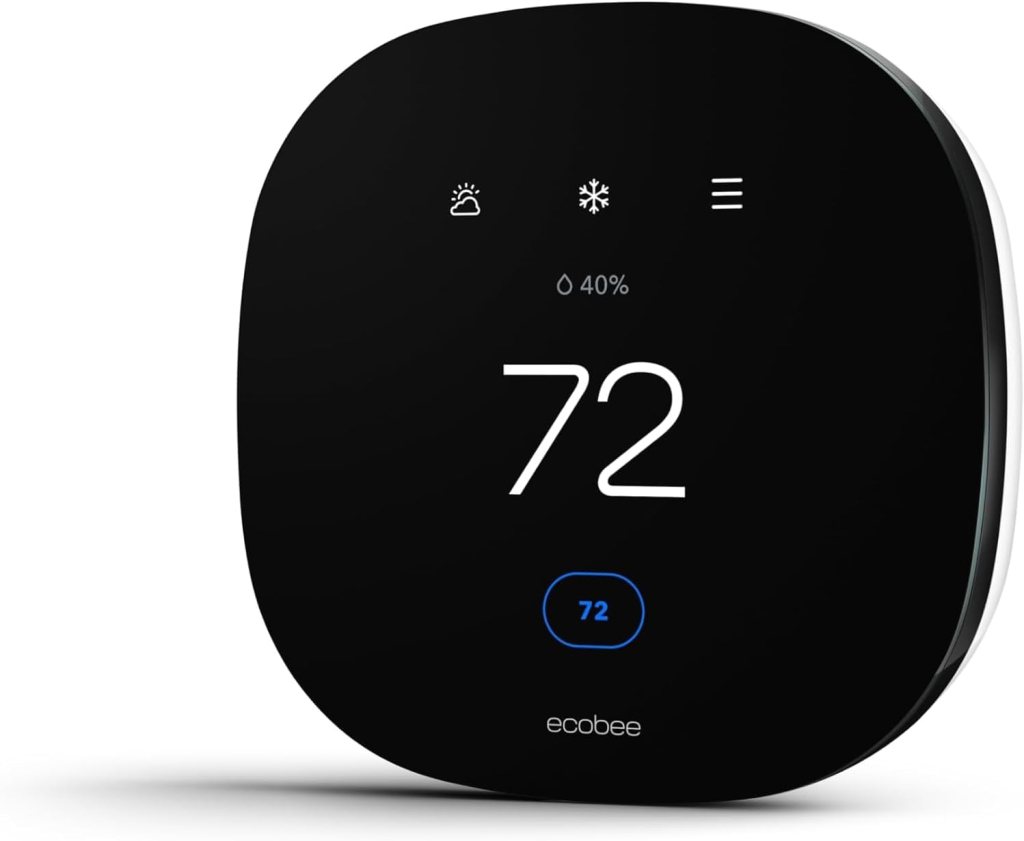
2. ecobee Smart Thermostat (Best for Room-Level Efficiency)
4.4 ★★★★⯪
Best for: Homes with uneven temperatures
The ecobee Smart Thermostat uses remote room sensors to detect occupancy and temperature differences throughout your home, making it ideal for improving efficiency in multi-room layouts. It is one of the most feature-packed models for both energy efficiency and smart home convenience. Designed to learn your usage patterns and automatically adjust heating and cooling, it’s a solid choice for anyone serious about reducing energy waste without sacrificing comfort — and that’s reflected in its popularity among homeowners seeking smart energy control.
Why It Saves Energy
- Adjusts heating and cooling based on room usage
- Prevents overheating or overcooling unused spaces
- Smart scheduling adapts over time
Pros
- Room sensors included
- Works with Alexa, Google, and Apple HomeKit
- Strong energy-saving performance
Cons
- Setup takes longer
- App has a learning curve
👉 Check current price on Amazon
3. Honeywell Home T9 Smart Thermostat (Best for Larger Homes)
4.3 ★★★★⯪
Best for: Families and larger living spaces
he Honeywell Home T9 Smart Thermostat is a versatile smart thermostat designed to improve comfort and energy efficiency across larger homes or spaces with varying temperature zones. It pairs a modern touchscreen interface with smart scheduling, remote control, and occupancy-aware temperature management — helping reduce wasted heating and cooling over time.

Why It Saves Energy
- Detects occupancy room-by-room
- Adjusts system output dynamically
- Reduces heating and cooling when rooms are unused
Pros
- Reliable brand
- Strong sensor performance
- Excellent comfort control
Cons
- Sensors sold separately
- Higher mid-range price
👉 Check current price on Amazon
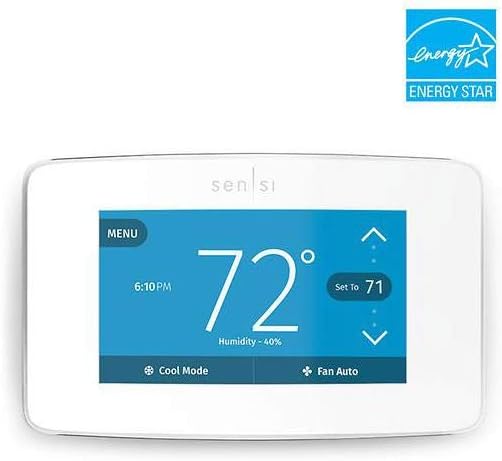
4. Emerson Sensi Touch Smart Thermostat (Best for Easy Installation)
4.2 ★★★★☆
Best for: Renters and DIY beginners
The Emerson Sensi Touch is designed for users who want smart energy savings without complicated setup or learning curves. It’s ENERGY STAR-certified, meaning it meets efficiency guidelines designed to help reduce heating and cooling energy use — and many users report noticeable savings after installation.
Unlike some high-end models that rely on adaptive learning, the Sensi Touch focuses on straightforward control and ease of use — perfect for households that want energy savings without a steep learning curve.
Why It Saves Energy
- Simple scheduling reduces waste
- Usage reports encourage better habits
- Geo-based temperature adjustments
Pros
- Easy installation
- Clear energy usage reports
- Works with Alexa and Google Assistant
Cons
- No advanced learning features
- Basic automation
👉 Check current price on Amazon
How Much Energy Can These Smart Thermostats Save?
Smart thermostats save energy by reducing unnecessary heating and cooling, not by changing how efficient your boiler or HVAC system is. Actual savings vary, but most households see clear reductions after installing one.
Typical Energy Savings
Based on real-world data and user reports:
- 8–10% savings on heating and cooling (conservative average)
- 10–15% savings for most households
- Up to 20–25% savings in homes with inconsistent schedules or previous energy waste
What That Means in Real Money
If your annual heating and cooling costs are around £1,500:
- 10% savings ≈ £150 per year
- 15% savings ≈ £225 per year
- 20% savings ≈ £300 per year
At these levels, many smart thermostats pay for themselves within 1–2 years.
Why Savings Vary
You’ll save more if:
- Heating is often left on unnecessarily
- The home is empty during the day
- Temperatures aren’t manually adjusted often
Savings will be smaller if your heating was already well-managed.
Final Verdict: Which Smart Thermostat Is the Best Choice?
There is no single “best” smart thermostat for every home. The right choice depends on your budget, home size, and how much automation you want. Based on energy-saving performance, usability, and value, these models stand out:
- Best overall for energy savings: Google Nest Learning Thermostat
Ideal for households with irregular schedules. Its learning algorithms and automation deliver consistent long-term energy savings with minimal manual input. - Best for room-by-room efficiency: ecobee Smart Thermostat
A strong choice for homes with uneven temperatures. Room sensors help direct heating and cooling only where it’s needed, improving both comfort and efficiency. - Best budget smart thermostat: Amazon Smart Thermostat
A practical entry-level option that offers meaningful energy savings through smart scheduling at a very affordable price. - Best for larger homes: Honeywell Home T9
Designed for multi-room and family homes, the T9’s sensor-based approach reduces wasted heating and cooling across larger spaces. - Best for simple setup and control: Emerson Sensi Touch
A great option for users who want smart energy savings without complexity, featuring an intuitive interface and reliable scheduling.
 Powering Our Building
Leave a comment