As we settle into January 2026, UK households are facing the latest Ofgem price cap of £1,758 per year for a typical dual-fuel household on Direct Debit (covering January to March). This is a slight increase of around £3 from the previous quarter, driven by factors like network costs and policy adjustments. While bills remain high compared to pre-crisis levels, there’s a powerful tool to fight back: smart meters and time-of-use (ToU) tariffs.
With the smart meter rollout accelerating—over 39 million meters operating across Britain as of mid-2025, representing around 67-70% penetration—the government is pushing for near-universal coverage by 2030 under a new framework starting early 2026. This means more homes than ever can access dynamic tariffs that reward shifting usage to cheaper times. Let’s dive deeper into how this works and how you can save hundreds of pounds annually.
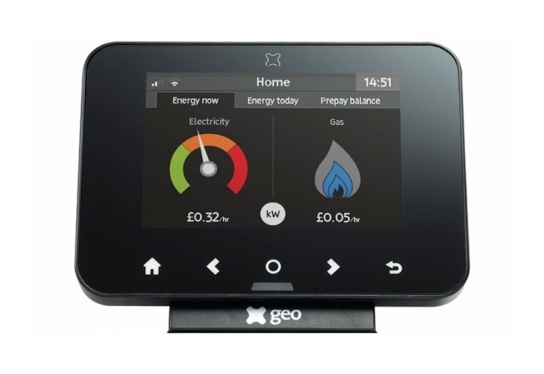
The Latest on the UK Smart Meter Rollout in 2026
The UK’s smart meter programme is entering a critical phase. A new regulatory framework kicks in early 2026, requiring suppliers to take “all reasonable steps” to install smart meters in every home by 2030, with expectations of 85-100% coverage. Progress has been steady: as of mid-2025, around 39 million smart meters were operating, with higher penetration in England (70%) than Scotland (57%).
Key updates for 2026:
- Suppliers must submit annual deployment plans to Ofgem from July 2026.
- Improvements like Virtual WAN (using broadband for connectivity in hard-to-reach areas) launch this year.
- Pre-emptive replacements ensure meters stay operational, avoiding loss of smart functionality.
If you don’t have a smart meter yet, request one—it’s free, and suppliers are obliged to install it. A functioning smart meter (SMETS2 or upgraded SMETS1) is required for most ToU tariffs, as it sends half-hourly readings automatically for accurate billing.
Enhance Your Smart Meter with the ivie Bud: A Modern In-Home Display Upgrade
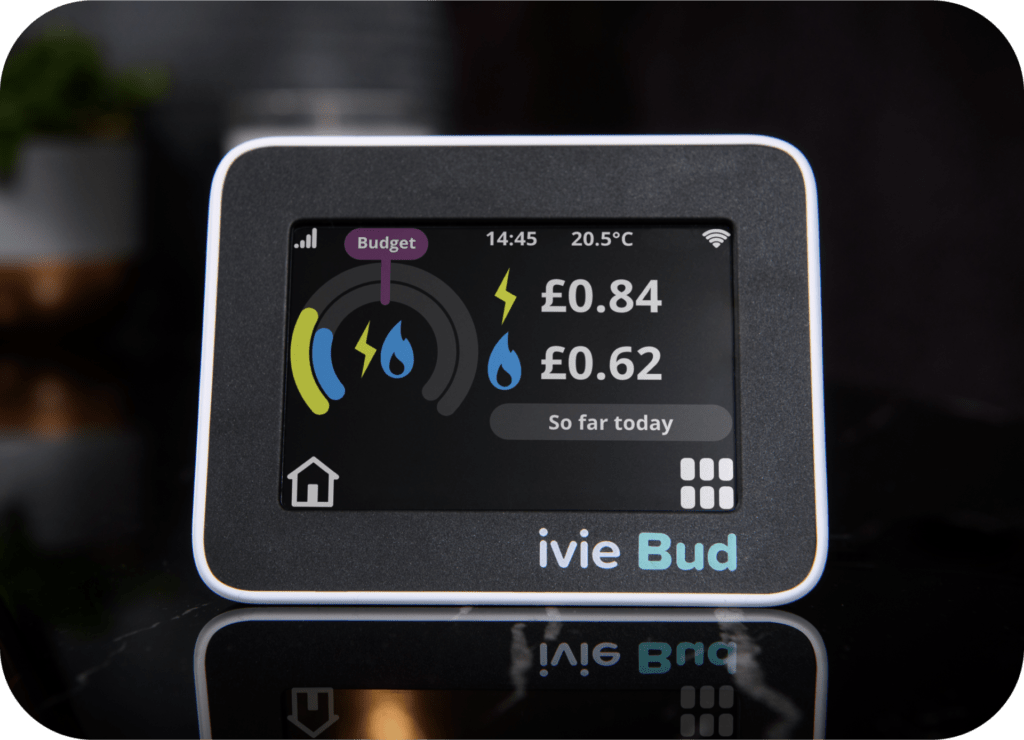
Many supplier-provided in-home displays (IHDs) are basic, outdated, or sometimes missing/broken. That’s where the ivie Bud comes in—a popular third-party replacement IHD that’s compact, Wi-Fi enabled, and packed with advanced features to supercharge your energy monitoring.
Developed by Chameleon Technology (the UK’s largest IHD provider, with over 10 million units delivered), the ivie Bud connects directly to your compatible smart meter for real-time data. It works with all SMETS2 meters and many upgraded SMETS1 ones—always check compatibility on their site first.
Key features:
- Full-colour touchscreen with clear icons for instant usage views (now, daily, weekly, monthly, yearly).
- Live cost tracking in pounds and pence.
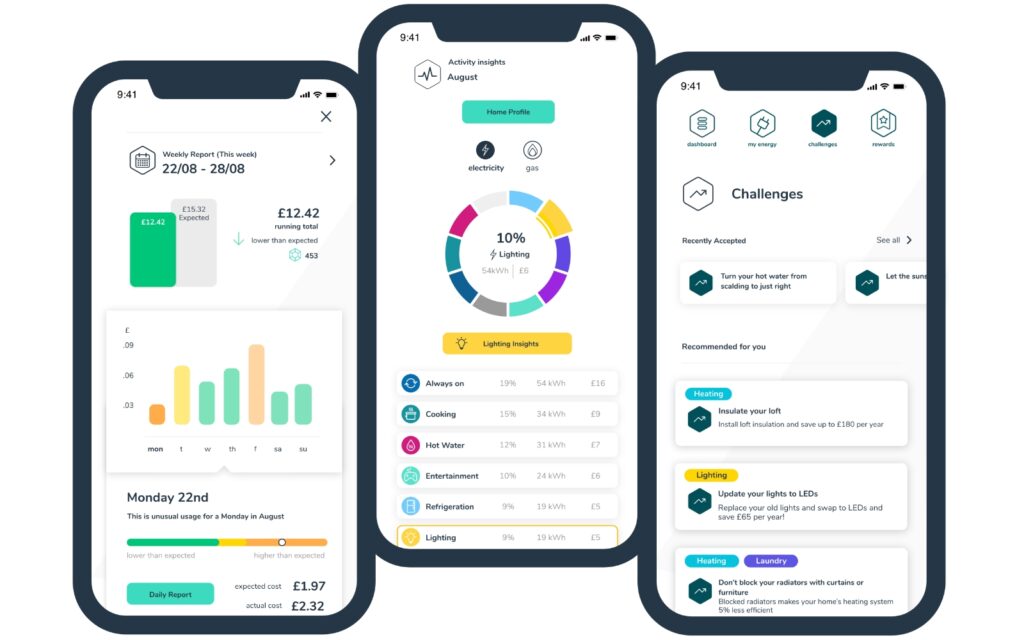
- Integration with the free ivie app for deeper insights, budgeting tools, and energy-saving challenges.
- Supports solar export monitoring and prepayment modes.
- Works with Samsung SmartThings for smart home automation.
Users rave about how it helps spot high-usage appliances and shift habits for ToU tariffs. Pair it with the ivie app for even more: pattern predictions, daily spend forecasts, and rewards for saving energy.
Priced around £50-£60 (with occasional supplier discounts like £5 off for EDF or E.ON customers), it’s a worthwhile upgrade if your standard IHD isn’t cutting it—especially for maximising ToU savings.
Understanding Time-of-Use Tariffs: How They Work and Why They Save Money
Traditional tariffs charge a flat rate all day. ToU tariffs vary prices based on grid demand:
- Off-peak: Lowest rates, often overnight (e.g., midnight to 6am) or weekends when demand is low.
- Peak: Highest rates, typically 4-7pm weekdays when everyone cooks, watches TV, and charges devices.
- Shoulder/off-peak variations: Mid-range prices in between.
Smart meters enable this by tracking usage in 30-minute intervals.

hy the variation? Electricity can’t be stored easily at scale, so prices reflect wholesale costs—cheaper when renewables like wind are abundant overnight, expensive during fossil fuel-heavy peaks.
Real Savings Potential in 2026
Flexible households can save £200-£500+ annually:
- Average off-peak rates: As low as 7-10p/kWh (vs. ~27.7p/kWh standard electricity unit rate under the cap).
- EV owners: Overnight charging at 7p/kWh can cut costs by 60-75% vs. standard rates.
- With heat pumps or batteries: Store cheap energy for peak times.
- Broader benefits: Reduces grid strain, supports renewables, and helps the UK’s Clean Power 2030 goals.
Case study: Octopus Energy reports average Agile customers saved £440 in recent years by shifting usage.
However, if your routine is peak-heavy (e.g., home all day), a ToU tariff could increase bills—always check your usage patterns first.
Top Time-of-Use Tariffs Available in 2026
Here are standout options (rates vary by region; compare via Uswitch or suppliers):
- Octopus Agile: Dynamic—prices update every 30 minutes based on wholesale market. Off-peak often <10p/kWh; occasional “plunge pricing” (negative rates!). Peak uplift 4-7pm. Capped at £1/kWh for protection. Best for high flexibility, EVs, batteries.
- Octopus Intelligent: EV-focused; super-cheap overnight charging automated via app.
- E.ON Next Drive/Pumped: Fixed ToU with super off-peak (e.g., ~7p/kWh overnight) for EVs/heat pumps.
- Economy 7/10 (legacy): 7-10 hours off-peak overnight; still widely available but less flexible than newer dynamic plans.
- Emerging fixed ToU: Some suppliers like E.ON offer mass-market fixed ToU with guaranteed off-peak discounts.
Pair with solar? Add Smart Export Guarantee (SEG) for exports—rates up to 17.5p/kWh.

Practical Tips to get Started and Maximise Savings
- Check your meter: Log into your supplier account or call them.
- Request installation: Free and prioritised in 2026.
- Analyse usage: Use your in-home display or app to see peak times.
- Shift habits: Timer-delay appliances; charge EVs/batteries overnight.
- Automate: Smart plugs, apps (e.g., Octopus), or home batteries.
- Compare tariffs: Use tools like Uswitch; no exit fees on most flexible plans.
- Combine tech: Virtual Power Plants (VPPs) let batteries earn credits by supporting the grid.
ToU tariffs aren’t for everyone, but with rising electrification (EVs, heat pumps), they’re increasingly valuable. In 2026, they’re a smart way to beat the £1,758 cap.
Have a smart meter already? Which tariff are you on, or planning to try? Drop a comment below—we’d love to hear your experiences!
 Powering Our Building
Leave a comment