As we head into December 2025, the Ofgem energy price cap remains at £1,755 per year for a typical dual-fuel household on Direct Debit (covering October to December). Heating and lighting costs spike in winter, but these proven gadgets can help reduce waste, lower bills, and keep your home cosy—many pay for themselves quickly through real energy savings.
We’ve selected these based on current UK trends, strong customer reviews, and independent tests. Focus is on practical, affordable options available on Amazon and elsewhere. Many are smart-enabled for app or voice control (Alexa/Google).
Disclosure: This post contains affiliate links. Purchases through them may earn us a small commission at no extra cost to you—thank you for supporting the site!
1. Smart Plugs with Energy Monitoring (Tapo P110 4-Pack)
These clever Wi-Fi plugs transform any appliance into a smart device. Plug in lamps, heaters, or chargers, then use the free Tapo app to set schedules, turn things off remotely, or activate “Away Mode” to simulate occupancy. The standout feature is real-time energy monitoring—you can see exactly how much power a device uses (in kWh and estimated cost), helping spot energy hogs like old chargers or standby TVs. The Tapo P110 is compact (won’t block neighbouring sockets), supports up to 16A for heavier loads, requires no hub, and integrates seamlessly with Alexa or Google for voice control.


Estimated Savings: £30–£60/year by eliminating standby “vampire” power from TVs, chargers, etc.
Why? Easy setup, accurate tracking shows daily/weekly costs, and a 4-pack covers multiple rooms affordably.
2. Smart Thermostats (Google Nest Learning Thermostat)
This intelligent device learns your daily routine over the first week, automatically creating a personalised schedule. It uses geofencing (via your phone’s location) to lower heating when you’re out and pre-warm the house before you return. Features like Seasonal Savings fine-tune adjustments subtly for efficiency, while the app provides detailed energy reports.


Estimated Savings: 10–20% on heating (£100–£200/year for average homes).
Why? Newer models include AI features for even smarter efficiency; app reports show exact savings.
3. LED Smart Bulbs (Philips Hue)
Modern smart LEDs consume 80–90% less energy than traditional bulbs while offering dimming, colour changes, and automation. Set routines to turn off lights automatically or adjust brightness based on time of day—all via app or voice.


Estimated Savings: £5–£12 per bulb/year; multi-packs amplify whole-home benefits.
Why? Instant full brightness, 15–25 year lifespan, and fun features encourage mindful usage.
4. Draught Excluders (Brush, Foam, or Cushion Styles for Doors/Windows)
These simple seals block cold air leaks around doors, windows, or letterboxes. Options range from self-adhesive brushes (great for uneven floors) to weighted fabric cushions.

Estimated Savings: £20–£50/year by reducing heat loss in draughty properties.
Why? Low-cost DIY install with immediate noticeable warmth.
5. Electric Heated Throws/Blankets
These over-body warmers provide targeted heat with multiple settings, timers, and auto shut-off for safety. Far cheaper to run than central heating for personal use.


Estimated Savings: Just pennies per hour versus full-room heating.
Why? Machine-washable, overheat protection, and luxurious fabrics.
6. Radiator Reflector Panels (Radflek)
Thin foil sheets placed behind radiators reflect heat back into the room instead of letting it absorb into external walls.

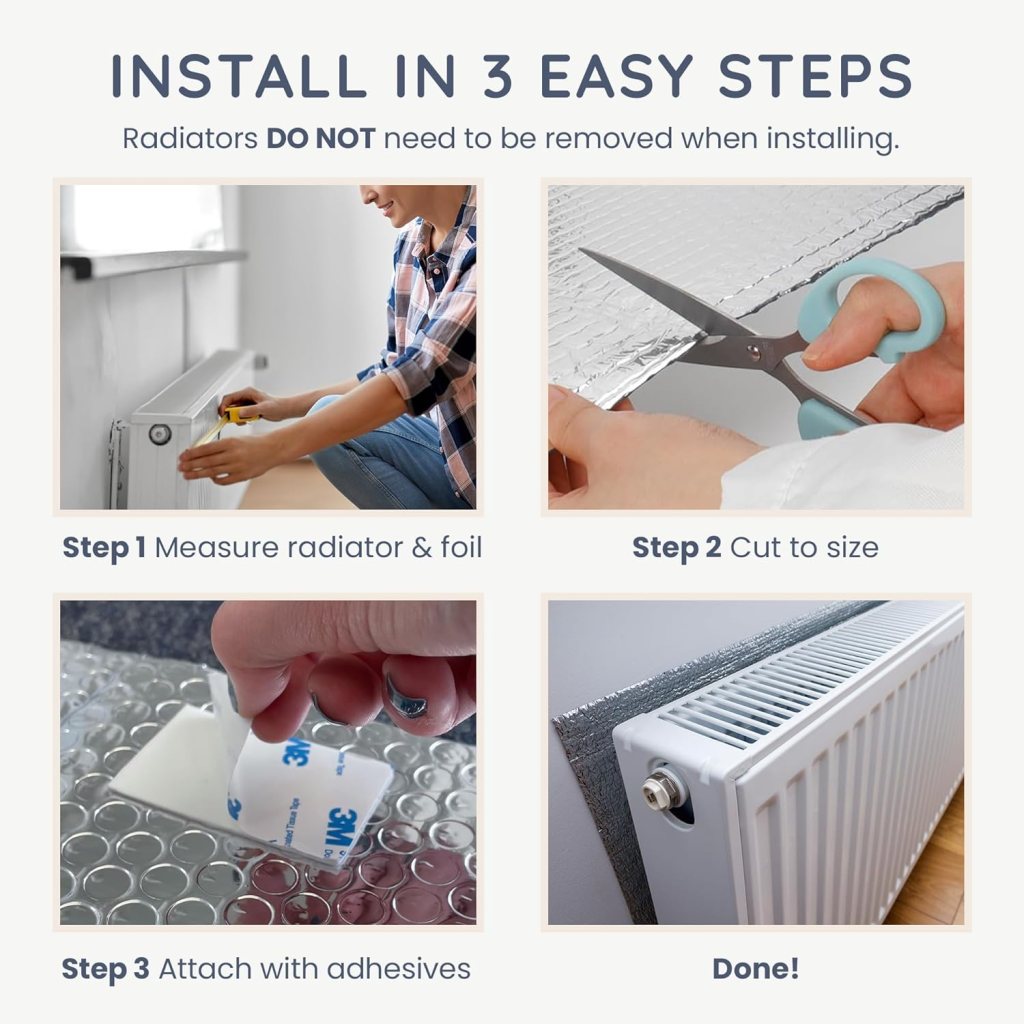
Estimated Savings: Up to £100/year in older or poorly insulated homes.
Why? Quick adhesive or magnetic fitting, no ongoing costs.
7. Heated Clothes Airers
Electric winged racks dry laundry gently using low power, avoiding expensive tumble dryers.

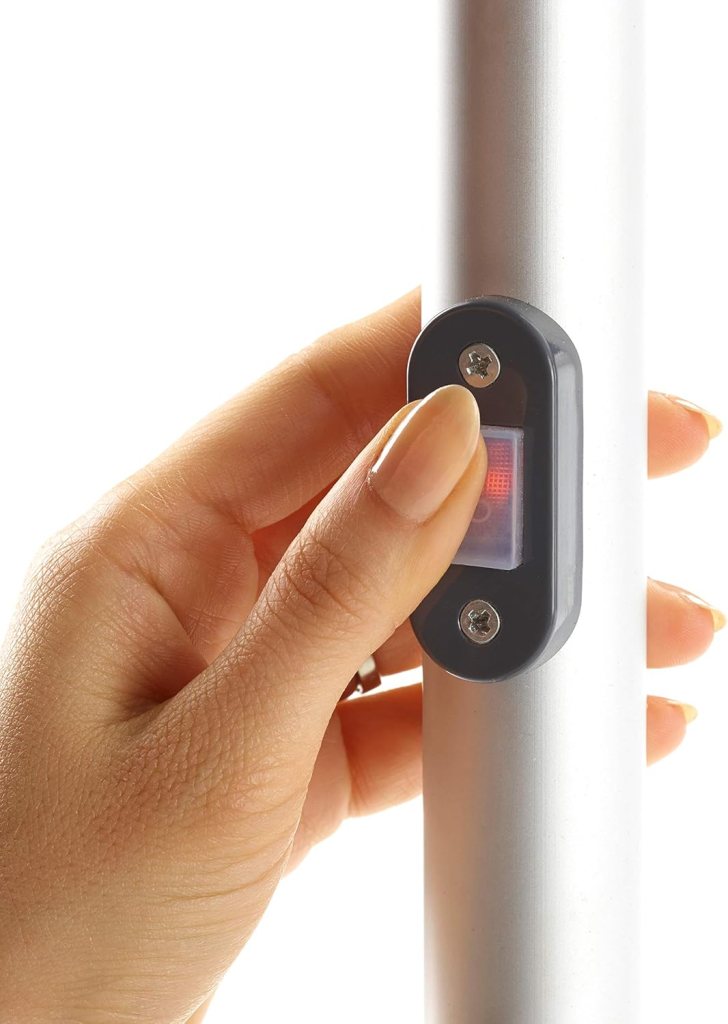
Estimated Savings: £100+/year compared to dryer cycles.
Why? Timer functions, foldaway design, and even heat distribution.
8. Energy-Efficient Air Fryers (Ninja)
Air fryers cook food using hot air circulation, requiring far less energy than traditional ovens—perfect for quick meals without preheating a full oven. Popular models like the Ninja MAX offer multiple functions (air fry, roast, dehydrate) while using up to 75% less energy for similar tasks.
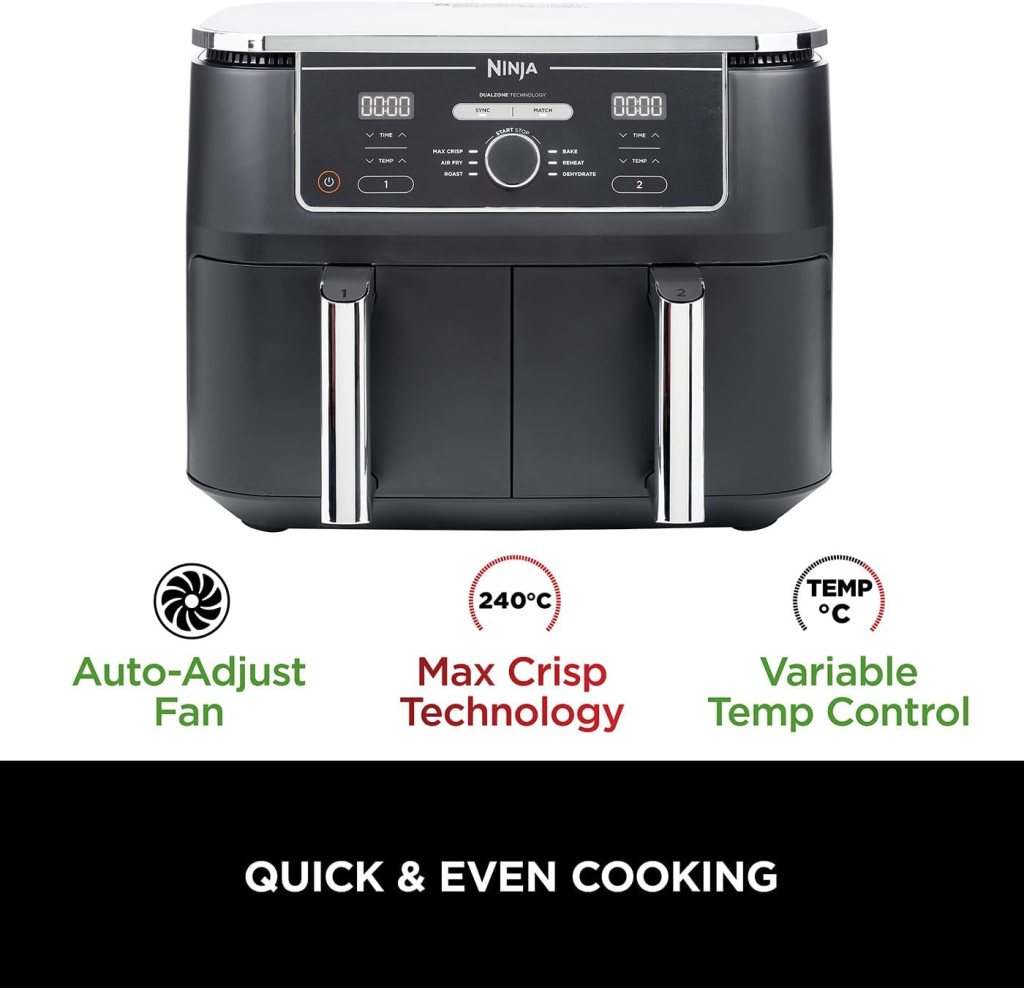

Estimated Savings: £50–£100/year by replacing oven use for everyday cooking.
Why? Fast cooking times, healthier results with less oil, and trending heavily in UK homes this winter for bill-friendly meals.
9. Chimney Draught Excluders (Chimney Sheep)
Made from breathable wool felt, these plugs fit snugly into unused chimneys to block downdraughts while allowing ventilation.
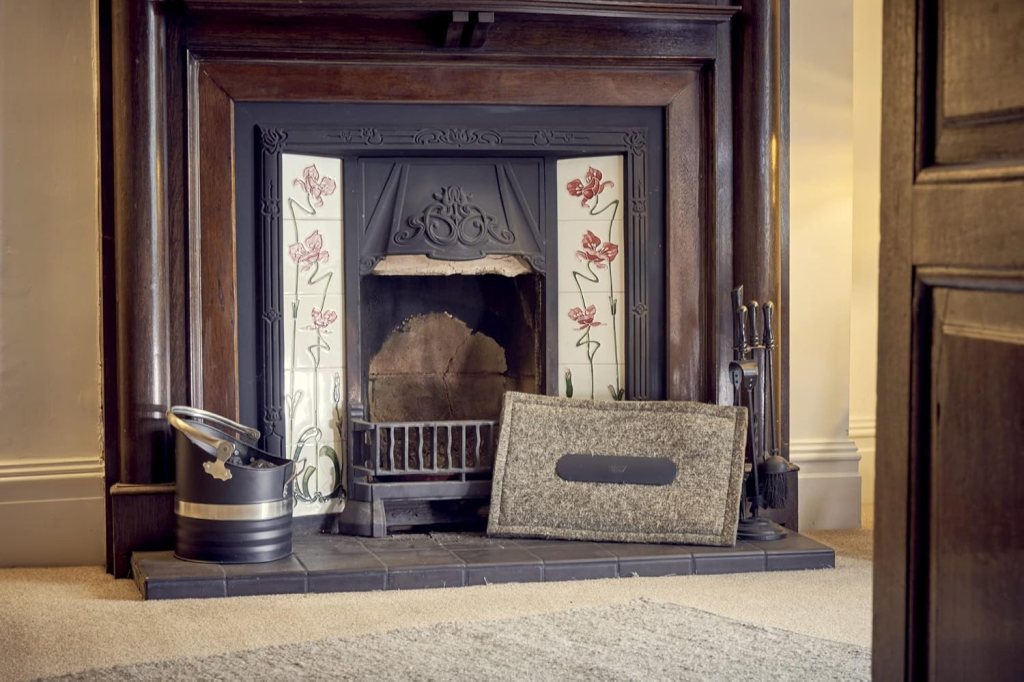

Estimated Savings: £40–£100/year per unused chimney.
Why? Sustainable material, easy pull-out handle for occasional fires.
10. Low-Wattage Portable Ceramic Heaters
Compact fan heaters with thermostats and oscillation provide quick, zoned warmth without heating empty rooms.
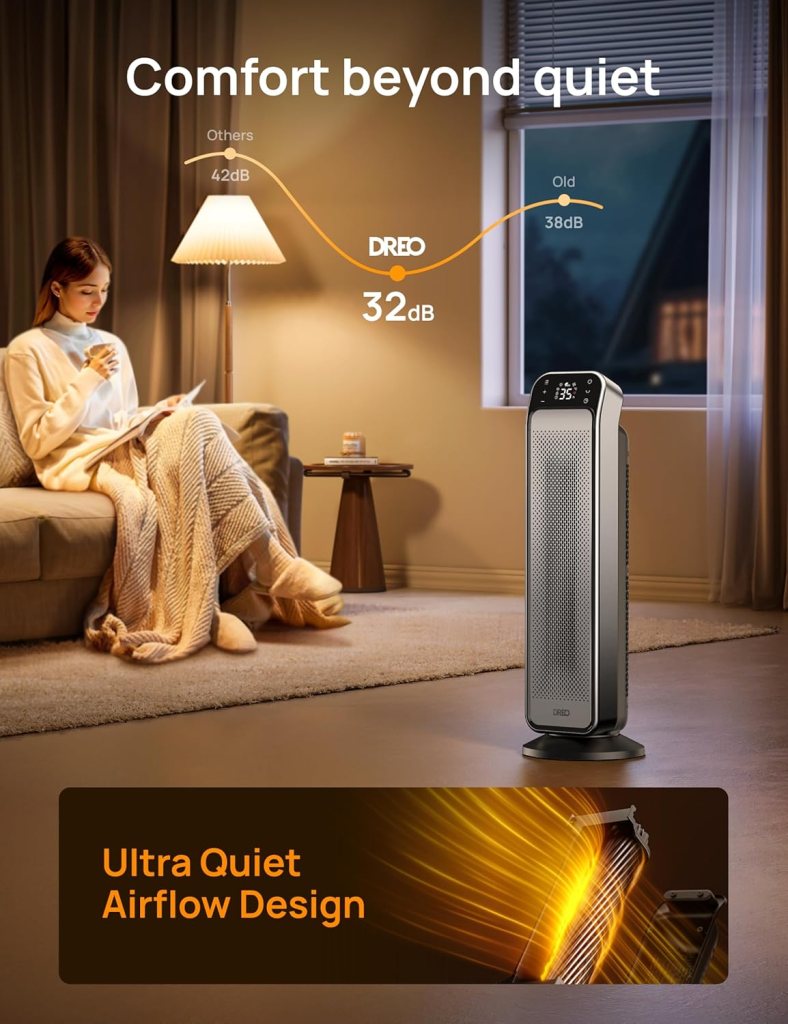

Estimated Savings: Significant when used instead of central heating for occupied spaces.
Why? Fast heat-up, safety features like overheat cut-off.
Combine a few (e.g., smart plugs + heated throw + draught excluders) for compounded savings. Track your progress with device apps for personalised results. What’s your first pick this winter? Comment below! 🌟💷
Savings estimates based on average UK usage and current rates; actual results vary.
 Powering Our Building
Leave a comment