When it comes to energy efficiency, insulation isn’t exactly glamorous—but it’s one of the most powerful tools we have for reducing home energy use. Traditional materials like fiberglass and foam have served us well for decades, but new innovations in material science are opening up exciting possibilities. These next-generation insulation materials aren’t just tweaks—they’re potential game-changers for how we build and upgrade homes.
Let’s take a look at five futuristic (yet increasingly accessible) insulation options that could seriously change the way we think about comfort, sustainability, and savings.
Aerogels – Space Tech for Your Living Room Walls
Aerogels are often dubbed “frozen smoke” because of their ultra-light, translucent appearance. Originally developed for NASA, these materials are incredibly porous and have some of the lowest thermal conductivity of any known substance.
Why they’re exciting:
- Super thin yet ultra-effective—perfect for tight spaces.
- Excellent thermal and acoustic insulation properties.
- Non-combustible and moisture-resistant.
Challenges:
- Still relatively expensive, though prices are dropping as production scales.
- Best suited for high-efficiency retrofits or premium applications… for now.

Vacuum Insulation Panels (VIPs)
VIPs work on the same principle as your travel mug: they create a vacuum-sealed barrier that drastically limits heat transfer. These panels are incredibly efficient—up to 10 times more insulating than traditional materials of the same thickness.
Why they’re exciting:
- Perfect for maximizing insulation where space is limited (like tiny homes or older buildings).
- High R-values (a measure of insulation performance) in a slim profile.
Challenges:
- Fragile and need careful handling during installation.
- Higher upfront cost, though long-term energy savings can help offset that.
Phase-Change Materials (PCMs)
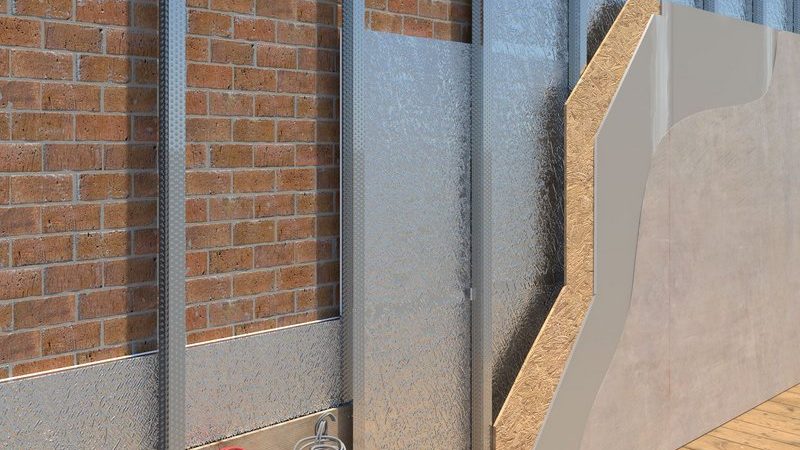
Imagine a wall that actively absorbs heat during the day and releases it when temperatures drop—without any electricity. That’s what PCMs do. They store and release thermal energy as they transition between solid and liquid phases.
Why they’re exciting:
- Regulate indoor temperatures naturally.
- Reduce strain on heating and cooling systems.
- Can be integrated into drywall, insulation panels, or flooring.
Challenges:
- Still emerging in mainstream construction.
- Performance can vary depending on the climate and building design.
Bio-Based Insulation – Hemp, Mycelium & More
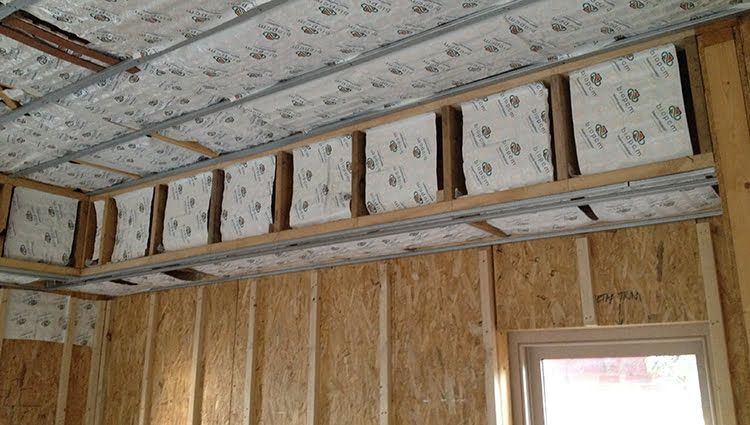
Sustainability is at the core of the next-gen insulation movement, and bio-based materials are leading the charge. Hempcrete (a mix of hemp fibers and lime) and mycelium (grown from fungus roots) are renewable, non-toxic, and surprisingly effective insulators.
Why they’re exciting:
- Carbon-sequestering—literally locking carbon into your walls.
- Pest and mold resistant in many cases.
- Locally sourced and biodegradable.
Challenges:
- Still gaining regulatory approval in some regions.
- May require more specialized installers.

Reflective and Radiant Barriers
Instead of slowing heat transfer, these barriers bounce it away—kind of like wearing a mirrored jacket on a hot day. Typically installed in attics or beneath roofs, they’re especially effective in sunny, hot climates.
Why they’re exciting:
- Reduce cooling loads by reflecting radiant heat.
- Often paired with traditional insulation for extra performance.
- Lightweight and easy to install.
Challenges:
- Less effective in colder climates.
- Must be installed correctly to be useful—air gaps are essential.
Why This All Matters
In the UK, around 25% of a home’s heat is lost through the roof and 35% through the walls if they’re not properly insulated, according to the Energy Saving Trust. That’s a huge chunk of wasted energy—especially in a country where heating accounts for more than 60% of household energy bills.
Improving insulation isn’t just about saving money (though the savings can be significant); it’s also central to the UK’s push toward net zero by 2050. Cutting down on heat loss means fewer emissions, reduced reliance on fossil fuels, and a more resilient, energy-efficient housing stock—something that’s urgently needed across much of the country.
With energy prices fluctuating and older homes making up a large portion of UK housing, these next-gen materials could play a major role in helping homeowners stay warm, cut costs, and do their part for the planet.
Final Thoughts
Upgrading your home’s insulation might not feel as exciting as installing solar panels or buying smart appliances—but it can have just as big an impact. Whether you’re building new or retrofitting old, keep an eye on these advanced materials. They could make your home quieter, more comfortable, and a whole lot more energy-efficient.
Thinking about an insulation upgrade?
Stay tuned for our upcoming guide on how to choose the right material based on your climate, budget, and long-term energy goals.
 Powering Our Building
Leave a comment