In the dynamic landscape of energy consumption and costs, particularly in the UK, becoming energy savvy is crucial. This holds true for homeowners, renters, and business owners across the nation. Understanding how to navigate the UK energy market is key to achieving significant savings and reducing your carbon footprint. This comprehensive guide will lead you through the process of analyzing the UK energy market, aiding you in making informed decisions about your energy supplier, all while maximizing your savings and efficiency.
Market Analysis: Understanding the Current Landscape

The first step for UK residents in becoming energy savvy is to understand the current energy market within the country. For instance, keeping abreast of the latest news on energy prices, which can fluctuate due to various factors such as changes in government policies or global events, is vital. A thorough comparison of the UK market is essential to grasp the trends, pricing, and options specific to the region. This could involve looking at different energy providers and their tariffs, renewable energy options, or even government incentives for energy conservation. For example, comparing the tariffs of major providers like British Gas, EDF Energy, or newer renewable-focused suppliers can reveal significant cost differences. This understanding is critical for making informed decisions that align with your energy needs and budget within the UK context. Practical steps include using comparison websites, consulting with energy advisors, or attending local energy-saving workshops to get a clearer picture of what works best for your specific situation.
Affordable Energy Solutions: Finding What Works for You

A key aspect of energy savviness in the UK involves identifying the most affordable energy solutions. This means researching to find the cheapest energy supplier in the UK without compromising on service quality. For example, by using comparison websites like Uswitch or MoneySuperMarket, residents can easily compare current rates of various suppliers like SSE, E.ON, and Octopus Energy. Additionally, UK residents should not hesitate to switch energy suppliers if a better deal is found. For instance, if a resident discovers that Bulb offers a lower rate for renewable energy compared to their current supplier, it might be a wise financial move to switch.
The process of switching is often simpler than many think and can lead to substantial cost savings within the UK market. The actual steps involved in switching include:
- Comparing energy prices using an Ofgem-accredited comparison site.
- Choosing a new energy deal and confirming the switch with the new supplier.
- Informing the current supplier about the switch to ensure a smooth transition.
- Providing meter readings to both old and new suppliers to close the final bill with the current supplier and start the new account accurately.
These steps ensure that the switch is not only cost-effective but also hassle-free, making it an appealing option for residents looking to optimize their energy costs in the UK.
Supplier Selection: Making the Right Choice

For UK consumers, choosing the right supplier is about more than just prices. It’s about finding a balance between cost, quality of service, and environmental impact. For instance, while a supplier like British Gas might offer competitive gas prices, a consumer might find that a provider like Octopus Energy offers better deals on green electricity.
Each type of energy has its pros and cons, depending on your specific needs and availability in your area. For example, in urban areas where both gas and electricity are readily available, gas might be preferred for heating due to lower costs, but electricity might be chosen for its lesser environmental impact. In contrast, in rural areas, the availability of suppliers might limit choices. A side-by-side comparison can help you make a choice that’s cost-effective and environmentally friendly within the UK context. For instance, comparing the carbon footprint of various suppliers can reveal which ones are investing in renewable sources.
This comprehensive approach helps consumers not only to save money but also to align their energy consumption with their environmental values, contributing to a more sustainable future.
Effective Comparison Techniques: How to Compare Energy Prices

Armed with information about UK suppliers, the next step is to master the art of energy price comparison specific to the UK. This comprehensive approach involves more than just glancing at the current rates. For instance, when considering suppliers like Scottish Power or EDF Energy, it’s important to delve into their tariff structures. Are their rates fixed, variable, or tied to a tracker? This can greatly influence your bills over time.
Moreover, understanding tariff structures includes being aware of potential price hikes. For example, if a consumer opts for a variable rate tariff, they should be prepared for possible increases in costs, especially during high-demand winter months. Similarly, being mindful of any additional fees that are unique to the UK market is crucial. These might include connection fees, early termination fees, or certain types of service charges. For instance, some suppliers may charge a fee for paper billing as opposed to online billing.
For those specifically interested in electricity, learning how to compare electricity prices within the UK can be particularly advantageous. This might involve analyzing the rates per kilowatt-hour (kWh), comparing peak and off-peak times (as some suppliers offer cheaper rates during off-peak hours), and considering the source of the electricity – whether it’s from renewable sources or not. Websites like MoneySavingExpert or Which? provide tools and guides that help demystify these aspects, allowing consumers to make more informed decisions.
By taking into account all these factors, UK consumers can better navigate the energy market, ensuring they choose a plan that best suits their needs and budget.
Leveraging Government Incentives: Exploring Financial Aid
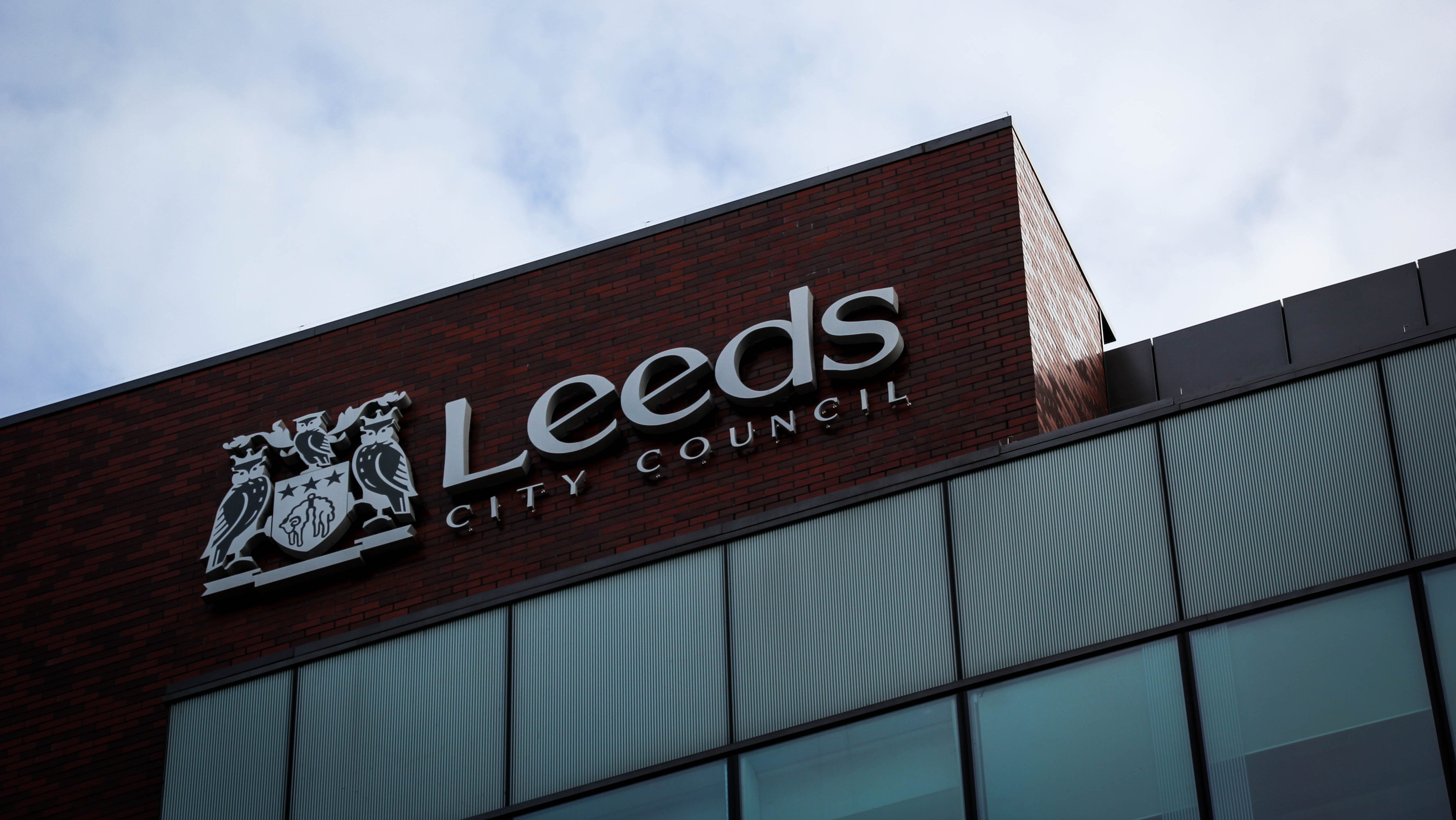
UK residents should be aware that various government grants and energy grants are available to help subsidize the cost of energy-efficient upgrades and renewable energy installations. For example, programs like the Green Homes Grant allow homeowners to apply for financial support for improvements like insulation or double glazing, which can significantly reduce energy bills. Similarly, the Renewable Heat Incentive (RHI) offers financial incentives to those who install renewable heating technology, such as solar water heating or biomass boilers.
These grants can significantly reduce the initial investment in energy efficiency, making it a more accessible option for many within the UK. For instance, under certain schemes, homeowners might receive up to several thousand pounds towards the cost of installing solar panels. This can dramatically lower the payback period, making renewable energy sources like solar power not only environmentally friendly but also financially viable. Additionally, local councils often have specific grants or loan schemes to support residents in making their homes more energy-efficient.
By taking advantage of these grants and incentives, UK residents can make substantial improvements in their home’s energy efficiency and switch to renewable energy sources, contributing to a greener environment while also potentially saving money in the long term.
In Conclusion…
Finally, securing the best energy deals in the UK often requires a combination of market knowledge, comparison skills, and an understanding of government incentives. UK residents should stay informed about new deals, be ready to negotiate with suppliers, and always keep an eye out for opportunities to upgrade to more energy-efficient options.
Mastering energy efficiency and cost reduction in the UK is an ongoing journey. By staying informed and proactive, UK residents can make decisions that benefit both their wallet and the environment. Remember, every small step towards energy efficiency contributes to a larger impact on our planet.
 Powering Our Building
Leave a comment