The United Kingdom, like many nations, stands at a crossroads in terms of its transportation future. With the global push towards sustainability and reducing carbon emissions, alternative fuel vehicles, particularly electric (EVs) and hydrogen-powered vehicles (HPVs), have emerged as pivotal players in transforming the transport sector. This blog post delves into the prospective futures of these two vehicle types in the UK, exploring their potential impacts, challenges, and roles in the forthcoming green transition.
The Electric Vehicle (EV) Surge
Prospects and Current Status
Electric vehicles have witnessed a significant surge in popularity and adoption across the UK. According to the Society of Motor Manufacturers and Traders (SMMT), the UK witnessed a substantial increase in battery electric vehicle (BEV) registrations, which rose by 186% to 108,205 units in 2020. Furthermore, plug-in hybrid electric vehicles (PHEVs) also saw a significant uptick, with registrations increasing by 91.2% in the same year. In 2022, over 365,000 plug-in hybrid and battery-electric cars were registered, a growth of 20% on 2021 and is expected to grow by 31.51% between 2022 and 2023.
The UK government’s ambitious “Green Industrial Revolution” plan, which pledges to cease the sale of new petrol and diesel cars by 2030, has indeed catalyzed the EV market. To support this transition, the government has committed £1.3 billion towards the acceleration of the rollout of charging infrastructure in homes, streets, and on motorways across England. Additionally, £582 million has been allocated in grants to help people make the switch to electric vehicles.

Advantages
- Reduced Emissions: Electric vehicles (EVs) indeed offer zero tailpipe emissions, contributing significantly to improved air quality. According to a study by the European Federation for Transport and Environment, EVs emit, on average, three times less CO2 than equivalent petrol and diesel cars across Europe. Furthermore, the UK’s National Grid anticipates that widespread EV adoption could reduce UK CO2 emissions by 15 million tonnes per year by 2030.
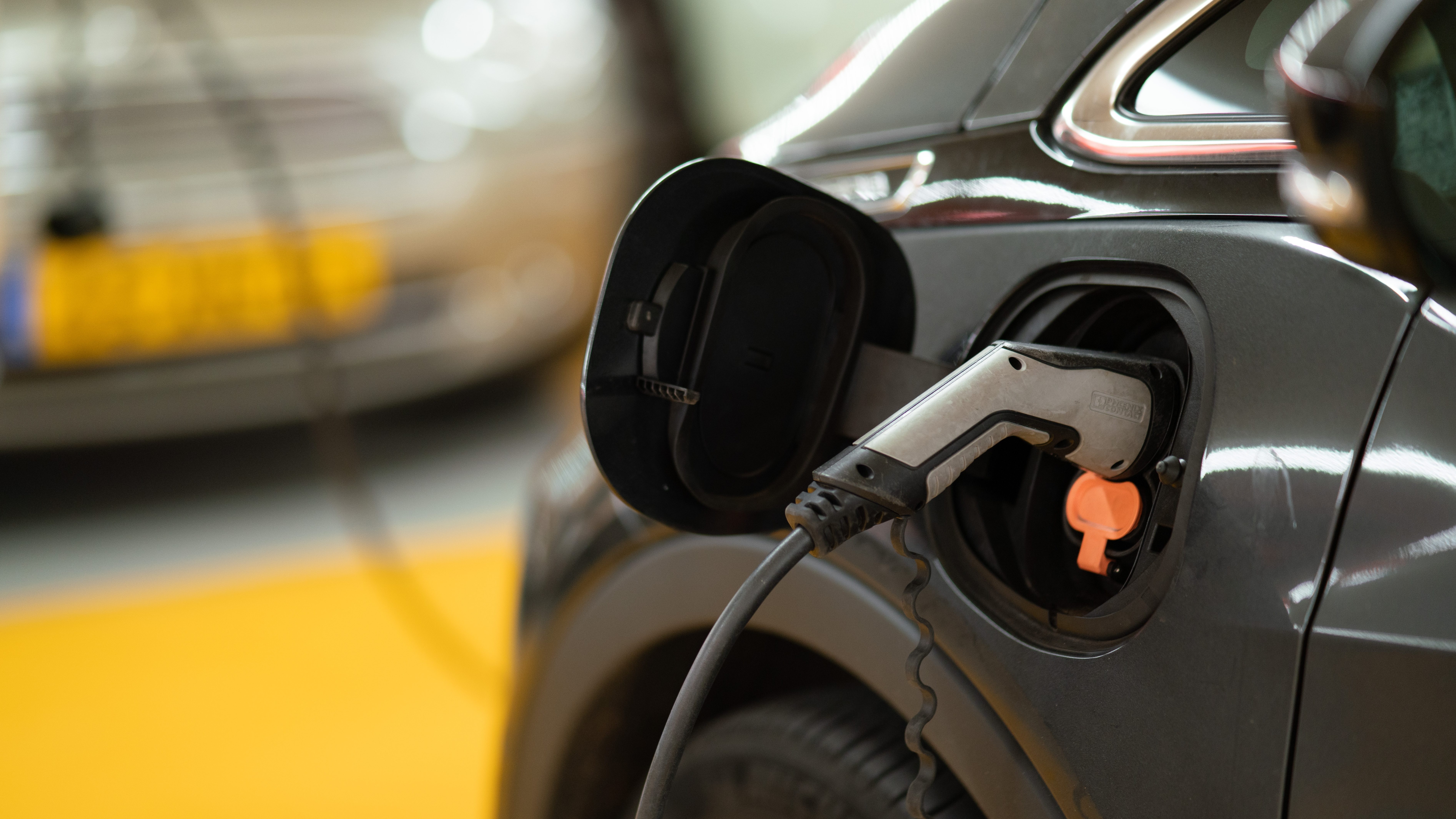
- Infrastructure Development: The UK has continued to be proactive in developing its EV charging infrastructure to support the growing EV market. According to data from Zap-Map, as of September 2023, the UK is home to over 44,000 public charging locations, providing over 161,000 connectors. . In addition to the growth in public charging infrastructure, there has also been a significant increase in the number of private EV charging points installed in the UK. Zap-Map estimates that there are now over 600,000 private EV charging points in the UK, making it easier for EV owners to charge their vehicles at home.
- Cost-Effective: EVs are becoming increasingly cost-effective due to advancements in technology and reductions in manufacturing costs. According to the International Renewable Energy Agency (IRENA), the cost of batteries, which is a significant component of EVs, has plummeted by 90% between 2010 and 2022. This trend is expected to continue in the coming years, with IRENA forecasting that battery prices could fall by another 50% by 2030. This is primarily due to the decreasing costs of battery technology, but also due to other factors such as government incentives and economies of scale. The UK government is also providing grants of up to £1,500 for electric vehicles priced under £35,000, making them even more affordable for consumers.
Challenges
- Charging Infrastructure: The UK, with over 44,000 EV charging locations, faces a challenge in expanding its infrastructure to meet rising demand. The “Road to Zero” strategy allocates £1.9 billion for ultra-low emission vehicles, including £1.6 billion for charging infrastructure by 2025. However, to meet the government’s 2030 target of 50% new ultra-low emission cars, 2.3 million public charge points are needed, requiring an installation rate of around 1,100 daily, compared to the current 42. Transport & Environment highlights a need for 507,000 public chargers by 2030, with the UK only 20% towards this goal.
- Range Anxiety: Range anxiety” remains a hurdle for UK EV adoption, with 60% of drivers citing insufficient range as a deterrent (AA survey). While EV ranges have improved from an average of 73 miles per charge in 2011 to over 350 miles in certain 2023 models like the Tesla Model 3, a disparity with consumer expectations persists. The UK’s Department for Transport states the average car trip is 8.4 miles, yet a Castrol study reveals UK consumers expect an EV range of 282 miles for purchase consideration, compared to 321 miles in the USA and 293 miles in China.
Hydrogen-Powered Vehicles: The Understated Competitor
Prospects and Current Status
Hydrogen-powered vehicles, while not as widespread as Electric Vehicles (EVs) in the UK, are gaining attention, especially in the heavy-duty and long-haul transportation sectors. A study conducted in Canada, which could be contextually relevant to the UK, explored the economic and technical feasibility of hydrogen fuel in long-haul trucking, revealing a hydrogen gas pipeline delivery selling price between 8.3 and 25.1 CAD$/kg at 100% technology integration, and 12.7 to 34.1 CAD$/kg at 10% integration (Source). Another study, which developed fuelling protocols for Fuel-Cell Vehicles (FCVs), demonstrated the capability to safely refuel vans and buses in a minimum of 3 or 5 minutes, respectively, using a 35-MPa hydrogen fuelling station (Source). These findings underscore the potential of hydrogen-powered vehicles in sectors requiring heavy-duty and long-haul transportation, presenting a viable alternative that the UK might explore further.

Advantages
- Quick Refuelling: Hydrogen-Powered Vehicles (HPVs) offer notably quick refuelling times, crucial for commercial transport to minimize downtime. A study demonstrated that Fuel-Cell Vehicles (FCVs) could be refuelled in as little as 3 minutes for vans and 5 minutes for buses at a 35-MPa hydrogen fuelling station, showcasing a significant advantage, especially in comparison to Electric Vehicle (EV) charging times. This rapid refuelling capability underscores HPVs as a viable option for sectors requiring extended vehicle operation, such as long-haul and commercial transport.
- Weight Advantages: Hydrogen fuel cells can be lighter than batteries for long-range vehicles, offering weight advantages for heavy vehicles like trucks and buses.
Challenges
- Infrastructure Deficit: The UK has 25 public hydrogen refueling stations, compared to over 44,000 EV charging locations. This shortage hinders the practicality of hydrogen-powered vehicles (HPVs). The UK government aims to address this by targeting 5GW of low-carbon hydrogen production capacity by 2030 and investing up to £190 million in hydrogen infrastructure. However, the current deficit remains a significant barrier to HPV adoption.
- Production Challenges: While Hydrogen-Powered Vehicles (HPVs) are eco-friendly, about 95% of global hydrogen production, primarily through steam methane reforming (SMR), is not green, emitting significant CO2. In the UK, most hydrogen is also produced via SMR. The UK’s “Hydrogen Strategy” aims to enhance green production, targeting 5GW of low-carbon hydrogen production by 2030 and introducing a £240 million Net Zero Hydrogen Fund to support new projects. However, the prevalent non-green production methods currently challenge the environmental efficacy of HPVs.
Comparative Analysis: EVs vs. HPVs
Environmental Impact
While both EVs and HPVs have the potential to reduce greenhouse gas emissions significantly, the source of electricity or hydrogen is crucial in determining their actual environmental impact. Green hydrogen and renewable energy sources are pivotal in ensuring that these alternative vehicles contribute to a sustainable future.
Technological Maturity
EV technology is more mature and widely adopted than hydrogen fuel cell technology in the context of passenger vehicles. However, HPVs hold promise in sectors where EVs face limitations, such as aviation, shipping, and heavy road transport, due to their energy density and quicker refuelling capabilities.
Economic Viability
The economic viability of EVs and HPVs is sector-dependent. EVs are becoming increasingly economical for light-duty vehicles and short-haul transport, while HPVs may present a more economically viable option for sectors that require quick refuelling and longer ranges.

A Complementary Future
The future of the UK’s transport sector is unlikely to be monopolised by a single technology. Instead, EVs and HPVs are set to coexist, each dominating different niches within the transport sector. EVs are poised to continue their dominance in the passenger vehicle market, while HPVs may find their stronghold in commercial and heavy-duty transport sectors.
The UK’s journey towards a sustainable transport future will hinge on strategic investments, robust policy frameworks, and fostering innovations that drive the development and deployment of both EV and HPV technologies. The road ahead will require collaborative efforts from government bodies, industry stakeholders, and consumers to navigate towards a greener, sustainable, and efficient transport ecosystem.
 Powering Our Building
Leave a comment