In recent years, electric bikes, a form of eco-friendly transportation, have seen a surge in popularity. These sustainable two-wheelers offer both thrilling and eco-conscious rides, allowing adventurers to explore the great outdoors without leaving a significant carbon footprint. Dive into the world of electric bike off-roading and discover how e-bike battery technology is reshaping our adventures, making them more sustainable and exhilarating.
The Rise of Electric Bikes
E-bikes have not only revolutionized eco-friendly transportation but also the way we travel and explore. With the latest advancements in e-bike battery technology, these bikes have emerged as a sustainable alternative to traditional bicycles and gas-powered vehicles. Now, off-road e-bike capabilities allow us to experience the thrill of off-roading adventures without the environmental guilt.
Power and Performance
While some might be skeptical about the off-road e-bike capabilities, modern electric bikes are engineered to handle challenging terrains. Equipped with powerful motors and state-of-the-art e-bike battery technology, they can tackle steep inclines, rough trails, and muddy paths with ease. The added boost from the electric motor ensures riders can navigate rugged landscapes effortlessly, making every ride memorable.
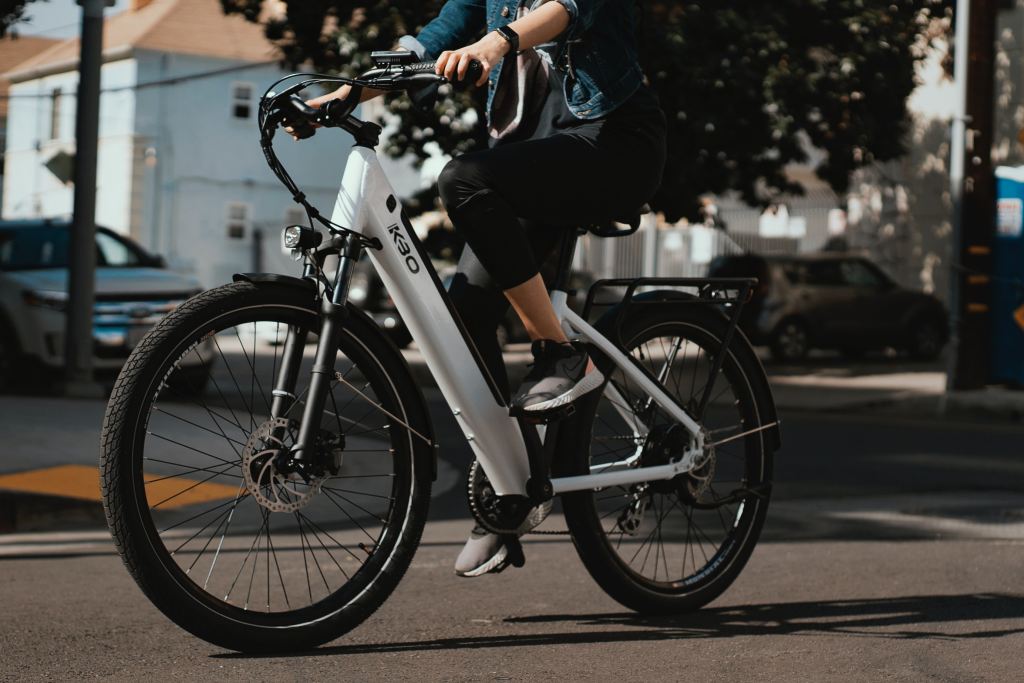
High-end models can deliver up to 90Nm of torque, ideal for steep inclines of up to 25%. With lithium-ion battery technology, these e-bikes offer ranges of 40 to 100 miles, catering to long trails and muddy paths. Advanced pedal-assist systems amplify pedaling power by up to 300%, making navigation through rocky or sandy landscapes effortless and memorable.
Range and Battery Life
For off-roading enthusiasts, the range and battery life of electric bikes are paramount. Thanks to cutting-edge e-bike battery technology, these bikes boast impressive ranges suitable for long-distance adventures. Many models even feature removable batteries, allowing riders to carry spares for extended trips. With strategic planning and efficient power usage, sustainable adventures on electric bikes become a reality.
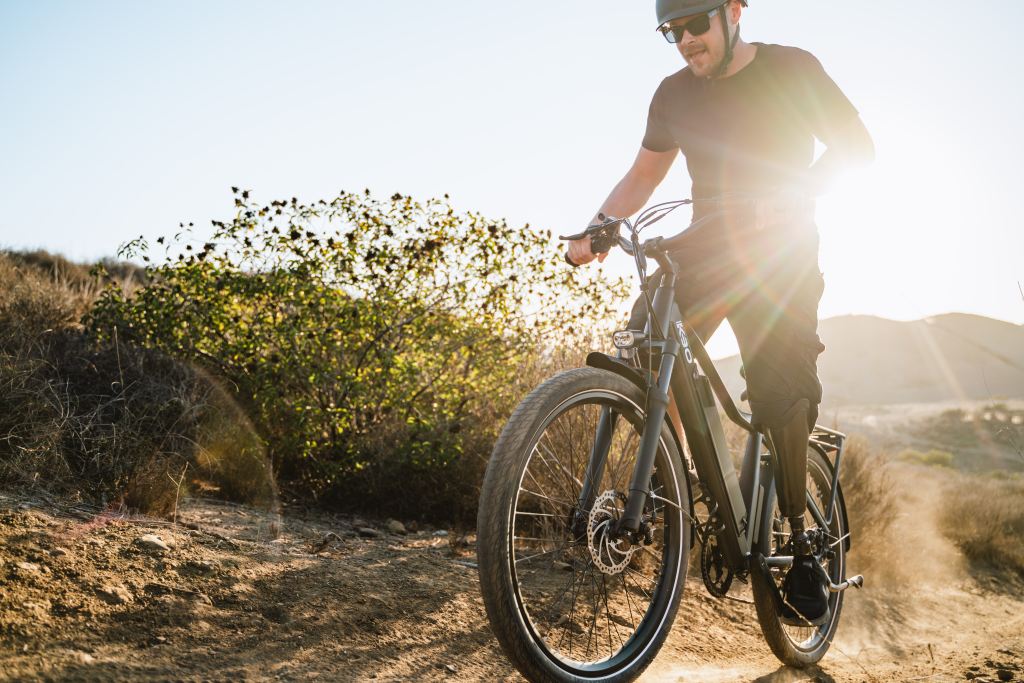
Modern e-bikes, powered by lithium-ion batteries, offer ranges of 25 to 70 miles per charge, with high-end models reaching up to 100 miles. Approximately 60% of recent e-bikes feature removable batteries, allowing riders to extend their range by swapping batteries. By carrying spare batteries, one can achieve a total range of 200 to 300 miles. Smart energy management in e-bikes can further optimize power, with pedal-assist modes potentially increasing battery life by up to 40%. Thus, with efficient usage and planning, e-bike adventures can span vast distances without battery concerns.
Environmental Benefits
Choosing electric bikes for off-roading adventures aligns perfectly with the principles of sustainable adventures. By reducing our carbon footprint and noise pollution, we ensure that the pristine beauty of nature remains untouched. It’s a testament to how eco-friendly transportation can coexist with thrilling adventures, reflecting the values of those who prioritize the environment.
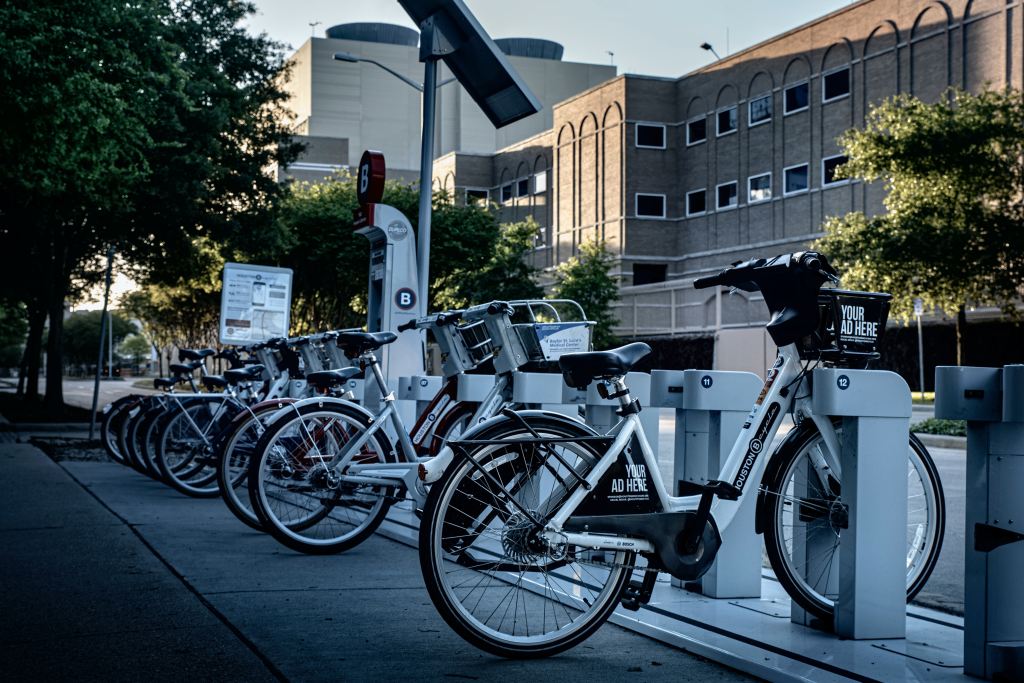
Traditional petrol-powered vehicles in the UK emit an average of 2.4 tonnes of CO2 per year. In stark contrast, e-bikes produce zero direct emissions, significantly reducing our carbon footprint. Additionally, while a conventional off-road motorcycle can produce noise levels up to 100 decibels, e-bikes operate at a much quieter range of 50-60 decibels, minimizing noise pollution.
Safety Considerations
Safety is paramount when embracing the world of electric bike off-roading. Riders should equip themselves with essential protective gear, including helmets, knee pads, and elbow guards. Additionally, understanding the off-road e-bike capabilities and features is crucial for a safe and enjoyable experience.

Electric bikes, with their advanced battery technology and off-road capabilities, have revolutionized our approach to outdoor adventures. They represent the perfect blend of thrill and sustainability, making them the top choice for those seeking sustainable adventures. So, gear up, embrace the power of electric bikes, and embark on eco-friendly journeys that celebrate nature. Together, let’s pave the way for a greener, more sustainable future.
 Powering Our Building
Leave a comment