The chilly climates of the UK and Ireland call for innovative heating solutions that are both effective and sustainable. As households and businesses seek more energy-efficient methods, infrared heating panels have emerged as a game-changing technology. But what sets these apart from our traditional heating systems?
What are Infrared Heating Panels?
Infrared heating panels, a relatively novel and efficient heating solution, operate on the principle of emitting radiant heat. This is fundamentally different from the mechanism used by most conventional heating systems. To truly appreciate the benefits of infrared heating panels, it’s essential to understand the distinctions and how these differences translate to real-world advantages.

When we think of radiant heat, a straightforward analogy is the warmth we feel from the sun’s rays. Even on a cold winter day, if sunlight falls directly on your skin, it feels warm. This warmth is not due to the air around you being heated; in fact, the air might remain quite cold. Instead, it’s the infrared radiation from the sun directly warming your skin and clothes.
Similarly, infrared heating panels emit this same type of infrared radiation. The panels produce infrared waves, which travel unobstructed in the room. When these waves encounter objects, be it furniture, walls, or even human bodies, they transfer their energy to them, causing the objects to warm up directly.
How Do They Work?
infrared radiation is a type of electromagnetic radiation, a category that also includes visible light, ultraviolet light, and radio waves. Infrared waves lie just beyond the red end of the visible spectrum, which means we can’t see them, but we can certainly feel their effects as warmth.
When infrared heating panels are activated, they begin producing and emitting infrared waves. These waves, unlike air molecules, don’t need a medium like air or water to move. Instead, they travel unobstructed in the room. Their journey continues uninterrupted until they encounter an object or surface in their path.
As these infrared waves meet objects—whether it’s furniture, walls, flooring, or even people—they don’t merely bounce off or get absorbed without consequence. Instead, they transfer their energy to the object. This energy transfer causes molecules within the object to vibrate more rapidly, leading to an increase in its temperature. It’s a direct, efficient, and immediate process. In contrast to traditional systems, which must first heat the air, which then heats objects indirectly, infrared panels cut out the middleman. This direct energy transfer is why a room heated with infrared panels feels warm in a more uniform and swift manner.
The Benefits
- Energy Efficiency: One of the standout features of infrared panels is their energy efficiency. By directly heating objects instead of the air, there’s significantly less energy wastage. This efficiency can translate to households in the UK and Ireland seeing savings of up to 30-50% on heating bills.
- Healthy and Clean: Conventional heating systems often circulate dust and allergens. Infrared panels offer a cleaner heat, promoting relaxation and even improved blood circulation.
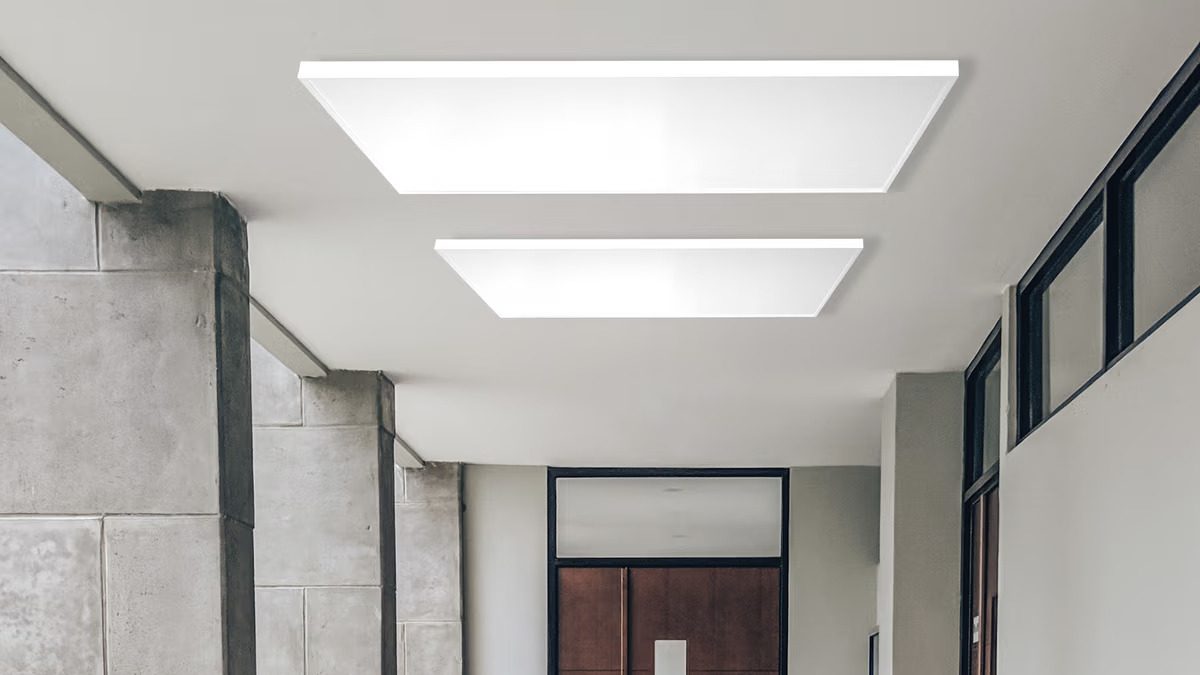
- Space-Saving and Aesthetic: With a sleek design, these panels can easily integrate into modern homes, mounted on walls or ceilings, ensuring no floor space is wasted.
- Durability and Safety: With lifespans often exceeding 20 years and no risks related to gas leaks or carbon monoxide, they offer peace of mind alongside warmth.
How do they Compare with Conventional Heating?
By directly heating objects and surfaces, infrared panels sidestep the pitfalls of the convection method:
- Immediate Comfort: Objects and surfaces absorb infrared radiation quickly, creating a sense of warmth almost immediately.
- Efficient Energy Use: Direct heating means minimal energy loss, translating to lower energy bills.
- Uniform Warmth: Since objects and surfaces retain heat and radiate it back into the room, there’s a more consistent temperature distribution. You won’t experience the stark temperature gradients often associated with convection heating.

Their Role in the Green Revolution
Both the UK and Ireland have ratified international agreements and established local policies aimed at curbing carbon emissions. Renewable energy, energy efficiency, and reduced dependency on fossil fuels form the cornerstone of these strategies. The traditional heating systems, whether gas or electric-based, often rely heavily on non-renewable resources, contributing significantly to carbon emissions.
Infrared heating panels, on the other hand, present a more eco-friendly option. When powered by electricity sourced from renewable energy (like wind, solar, or hydroelectric power), these panels can operate with virtually zero carbon emissions. This makes them an attractive option for households and businesses keen on aligning with national carbon reduction goals.
Traditional heating methods, which rely on warming the air, often do little to combat this pervasive dampness. Moisture-laden air can condense on cooler surfaces, promoting mould growth. In contrast, infrared heating panels target and warm surfaces directly. By raising the temperature of walls, floors, and other surfaces, they reduce the potential for condensation. This direct approach effectively combats mould growth and dampness, contributing to healthier living spaces.
In conclusion…
As the UK and Ireland continue to champion energy-efficient solutions, infrared heating panels are clearly paving the way forward. Combining cost savings, health benefits, and environmental considerations, they offer a holistic approach to heating that’s tailored for the specific challenges and goals of these regions. For households and businesses alike, the future of heating is not just warm; it’s radiant.
 Powering Our Building
Leave a comment