Keeping our homes warm during cold seasons isn’t always as straightforward as merely turning up the thermostat. One essential but often overlooked task is bleeding the radiators. Bleeding radiators is a simple process that can significantly improve heating efficiency, potentially saving energy and reducing costs.
Why is it Important to Bleed Your Radiators?
Radiators function through the circulation of hot water, which emits heat into the surrounding area. Over time, air can become trapped within the system, leading to inefficiencies. This trapped air forms pockets or bubbles, obstructing the hot water flow, and thereby reducing the radiator’s ability to warm up your home.
When air becomes trapped in a radiator, the top section tends to remain cold while the bottom part heats up. In such a situation, the heat output is reduced, causing the boiler to work harder to maintain the desired temperature. This additional strain on the boiler not only leads to increased energy usage but also raises the risk of potential damage to the boiler, which can be a costly repair.
The Impact on Energy Use
In the context of growing environmental consciousness and rising energy costs, every measure to reduce energy use matters. And here is where bleeding your radiators can make a significant difference.
A heating system running with air-filled radiators is inefficient. It uses more energy to reach desired temperatures and takes longer to warm up the rooms, thereby increasing fuel consumption. By simply bleeding your radiators, you can enhance the heating system’s efficiency, leading to quicker heating times and less energy usage.
According to the Energy Saving Trust, heating accounts for about 55% of what you spend in a year on energy bills, so an efficient system can make a substantial difference.
How to Bleed a Radiator?
Even if you are not a DIY expert, bleeding a radiator is a relatively straightforward process that most people can do. Here’s how:
Tools Needed: Radiator bleed key (or a flat-blade screwdriver for some models) and a cloth or small container to catch any drips.
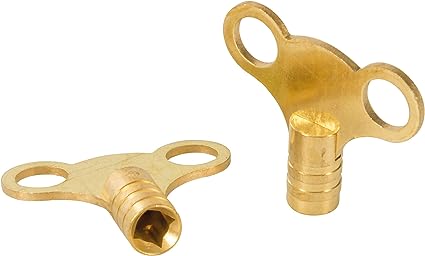
Step 1: Identify if Your Radiator Needs Bleeding
Check your radiators by feeling them while they’re on. If the top part of the radiator is colder than the bottom, there is likely air trapped inside, and it will need bleeding.
Step 2: Turn Off Your Heating
Before you start, make sure your heating system is off. This is to prevent any more air from being pumped into the radiators while you’re bleeding them.
Step 3: Locate the Bleed Valve
The bleed valve is usually found at the top side of the radiator. It is a small square peg inside a round hole.

Step 4: Bleed the Radiator
Place your bleed key in the valve and turn it counter clockwise, usually about half a turn. Use your cloth or container to catch any water that escapes. As you turn the key, you should hear a hissing sound – this is the trapped air escaping.
Step 5: Close the Bleed Valve
Once the hissing stops and water starts to leak out, this is a sign that all the trapped air has escaped. Now, you should quickly close the bleed valve by turning it clockwise.
Step 6: Check the Pressure
After bleeding all your radiators, check the pressure on your boiler’s pressure gauge. If it’s too low (generally below 1 bar), you may need to boost the pressure. You can usually do this by using the filling loop on your boiler, but refer to your boiler’s manual or consult a professional if unsure.
Step 7: Repeat If Necessary
If you notice your radiators are still not heating up evenly, you may need to repeat the process.
Bleeding your radiators is an effective way to improve your heating system’s efficiency, save energy, and reduce costs. However, if you consistently find air in your radiators, it could be a sign of a more serious issue with your heating system, and it may be time to call a professional. Remember, while DIY can be a great way to save money, safety should always come first when dealing with any type of heating system.
 Powering Our Building
Leave a comment