With the growing popularity of electric vehicles (EVs) in the UK, having a convenient and reliable charging solution at home is becoming increasingly important. Setting up EV charging at your residence not only provides convenience but also ensures you have a fully charged vehicle ready to go whenever you need it. In this blog, we will guide you through the process of setting up EV charging at your home, empowering you to embrace the electric revolution with ease.
1. Assess your electrical capacity
Before diving into the installation process, it’s crucial to evaluate your home’s electrical infrastructure. Contact a qualified electrician who can assess your electrical capacity and determine if any upgrades or modifications are needed to support EV charging.
2. Choose the right charging equipment
Research the different EV charging options available in the market and select the equipment that suits your needs. Consider factors such as charging speed, connectivity features, and compatibility with your electric vehicle. Opting for a dedicated EV charging unit, also known as a home charging point, is recommended for safety and efficiency.

3. Determine the installation location
Identify a suitable location for installing the charging equipment. Ideally, it should be easily accessible and close to where you typically park your EV. Take into account the proximity to your electrical panel and the length of the charging cable required to reach your vehicle.
4. Obtain necessary permissions
In some cases, you may need to seek permission from relevant authorities or homeowners’ associations before installing the charging equipment. Check with your local council or property management to ensure compliance with any regulations or guidelines.

5. Engage a qualified electrician
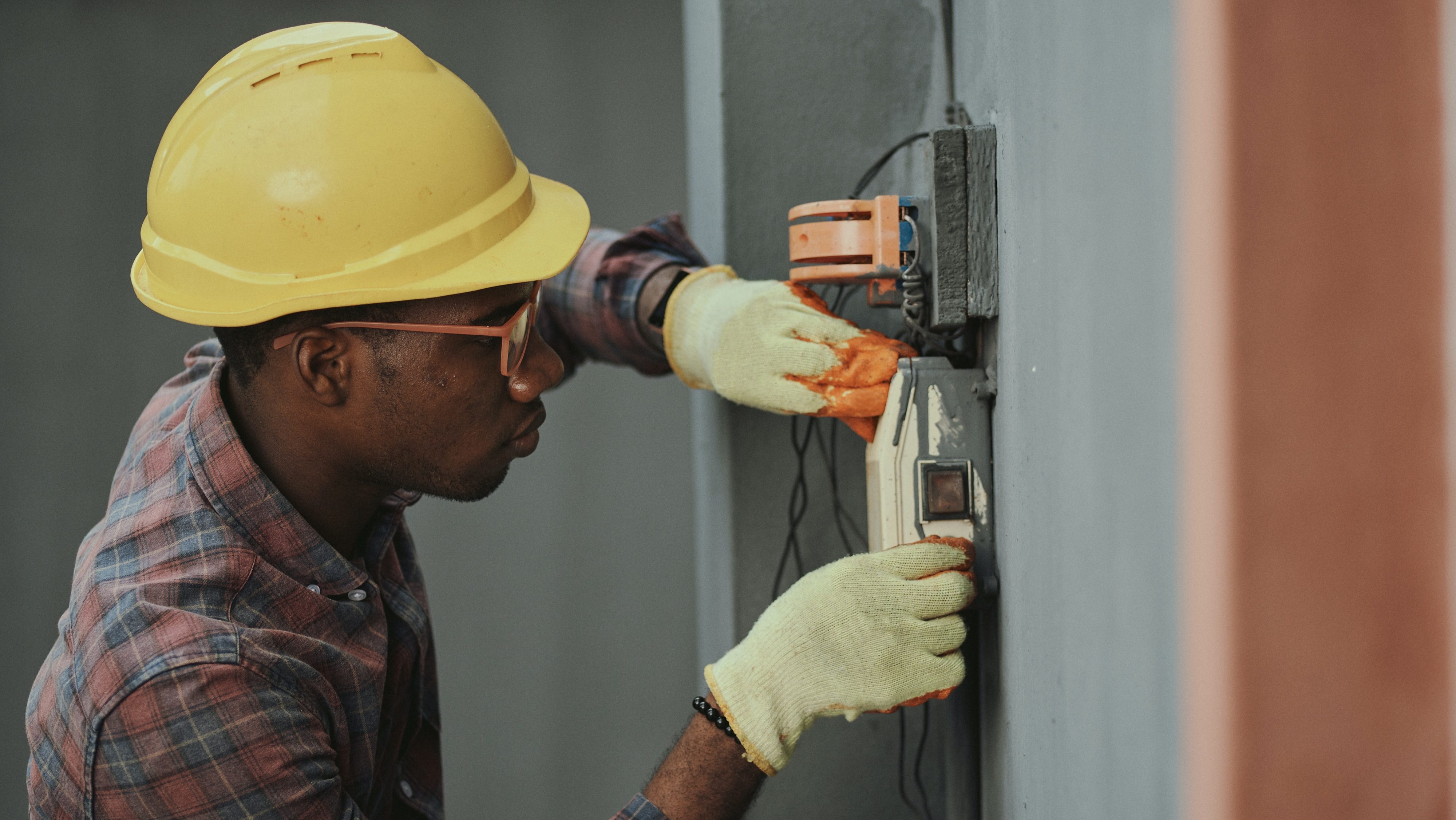
To ensure a safe and proper installation, hire a qualified electrician who specializes in EV charging installations. They will handle the necessary electrical work, including any upgrades or modifications required to support the charging equipment.
6. Install the charging equipment
Work closely with your electrician to install the EV charging unit at the designated location. They will connect the charging station to your electrical system, ensuring proper grounding and compliance with electrical regulations.
7. Register for grants and incentives
The UK government offers grants and incentives to help with the cost of installing an EV charging station at home. Check if you qualify for schemes such as the Electric Vehicle Homecharge Scheme (EVHS) or the Workplace Charging Scheme (WCS). Complete the registration and application processes as required.
8. Consider smart charging features
Explore options for smart charging capabilities when selecting your charging equipment. Smart charging allows you to optimise charging times, take advantage of cheaper electricity rates during off-peak hours, and integrate with energy management systems and grid services for more efficient and sustainable charging.

9. Test and ensure functionality
Once the installation is complete, thoroughly test the charging station to ensure proper functionality. Refer to the manufacturer’s instructions and familiarize yourself with operating the charging equipment.
10. Enjoy the benefits of home charging
With the EV charging station set up at home, you can now enjoy the convenience of charging your electric vehicle at your convenience. Benefit from off-peak electricity rates, schedule charging sessions as needed, and experience the eco-friendly advantages of owning an electric vehicle.
Setting up EV charging at home is a practical and straightforward process. By following the steps outlined in this guide, you can ensure a safe and efficient charging solution for your electric vehicle. With your own home charging station, you contribute to the growing EV infrastructure in the UK and embrace the convenience and sustainability of electric transportation. Get ready to power up your EV revolution right at your doorstep.
 Powering Our Building
Leave a comment